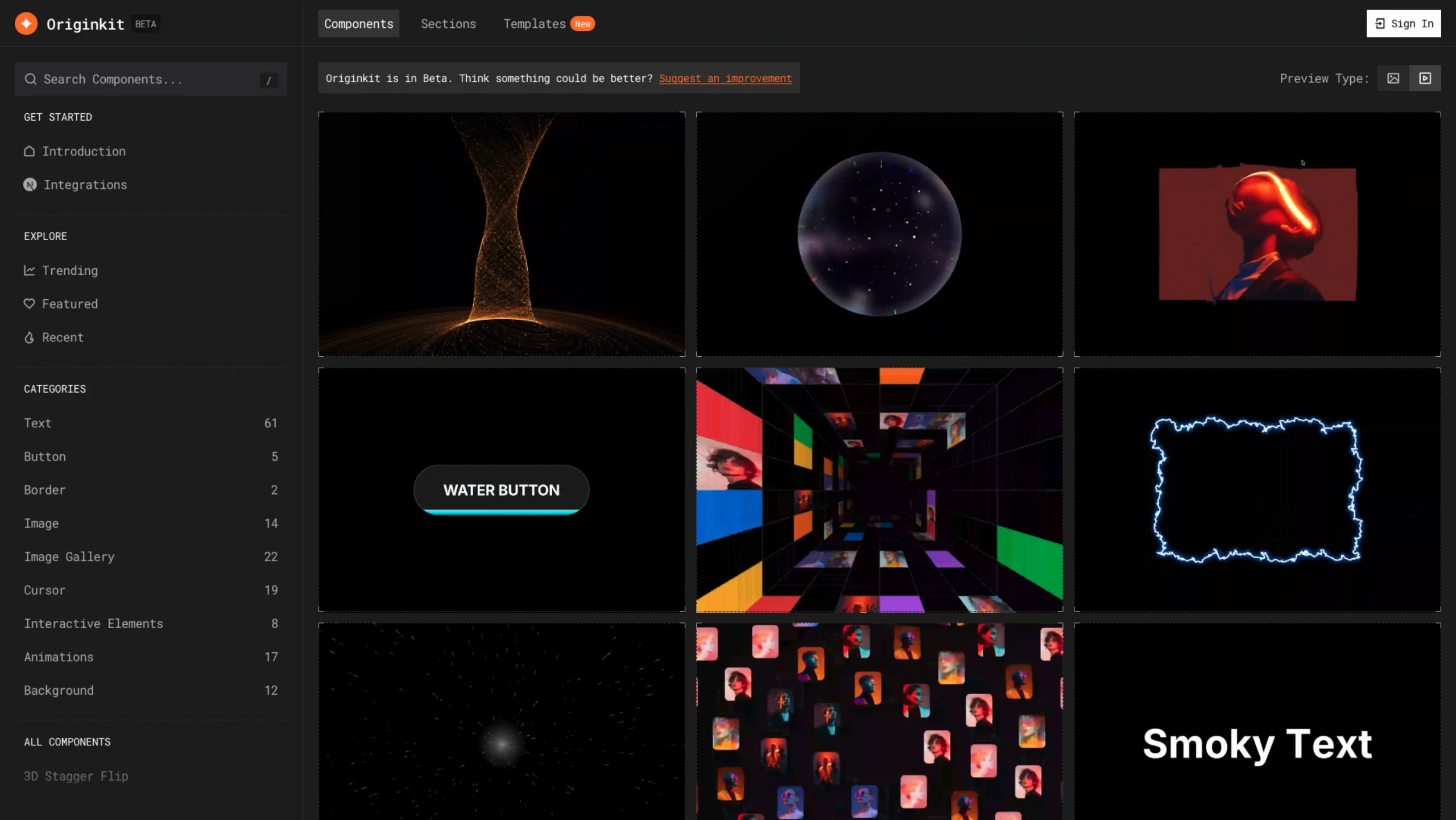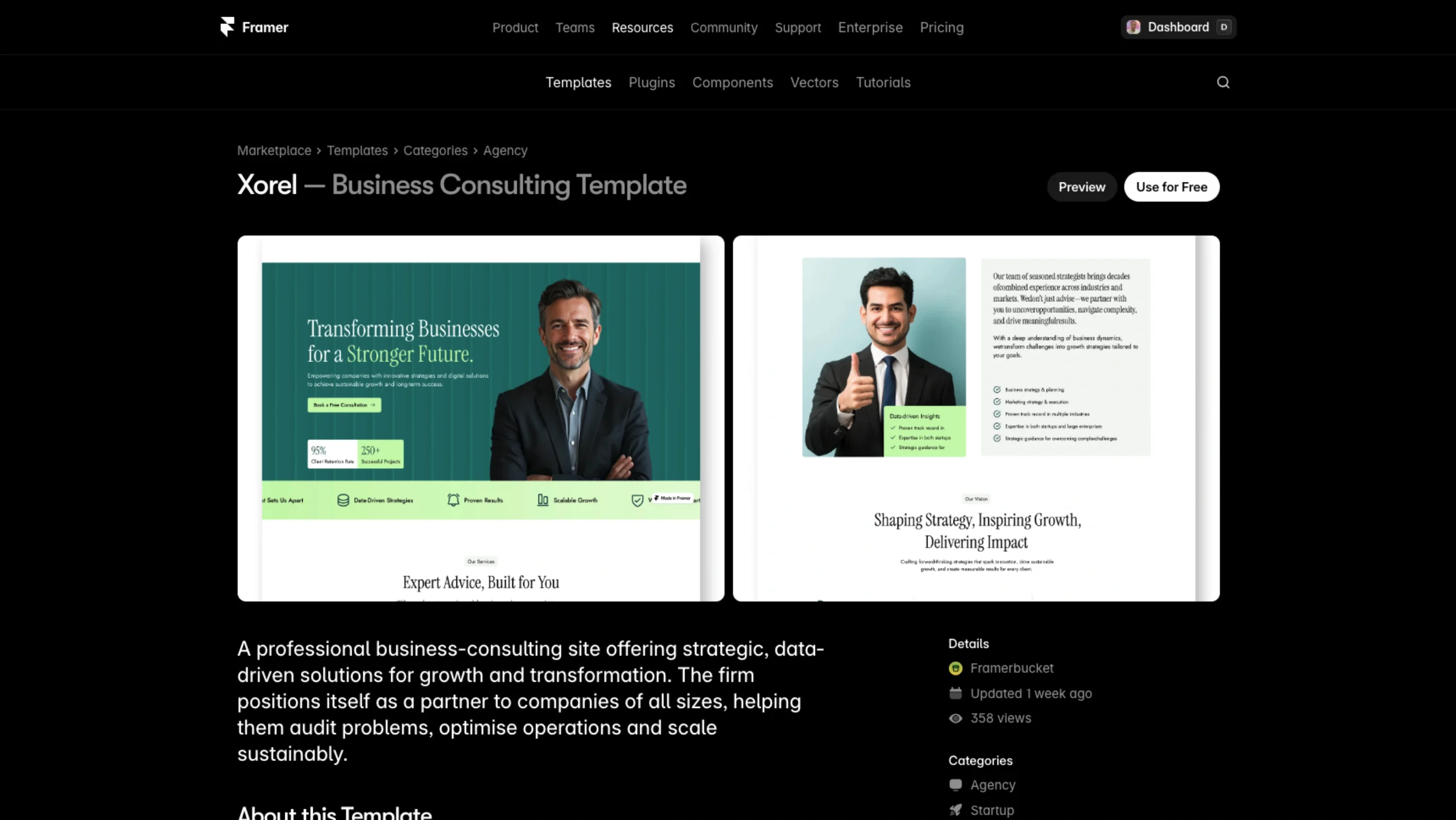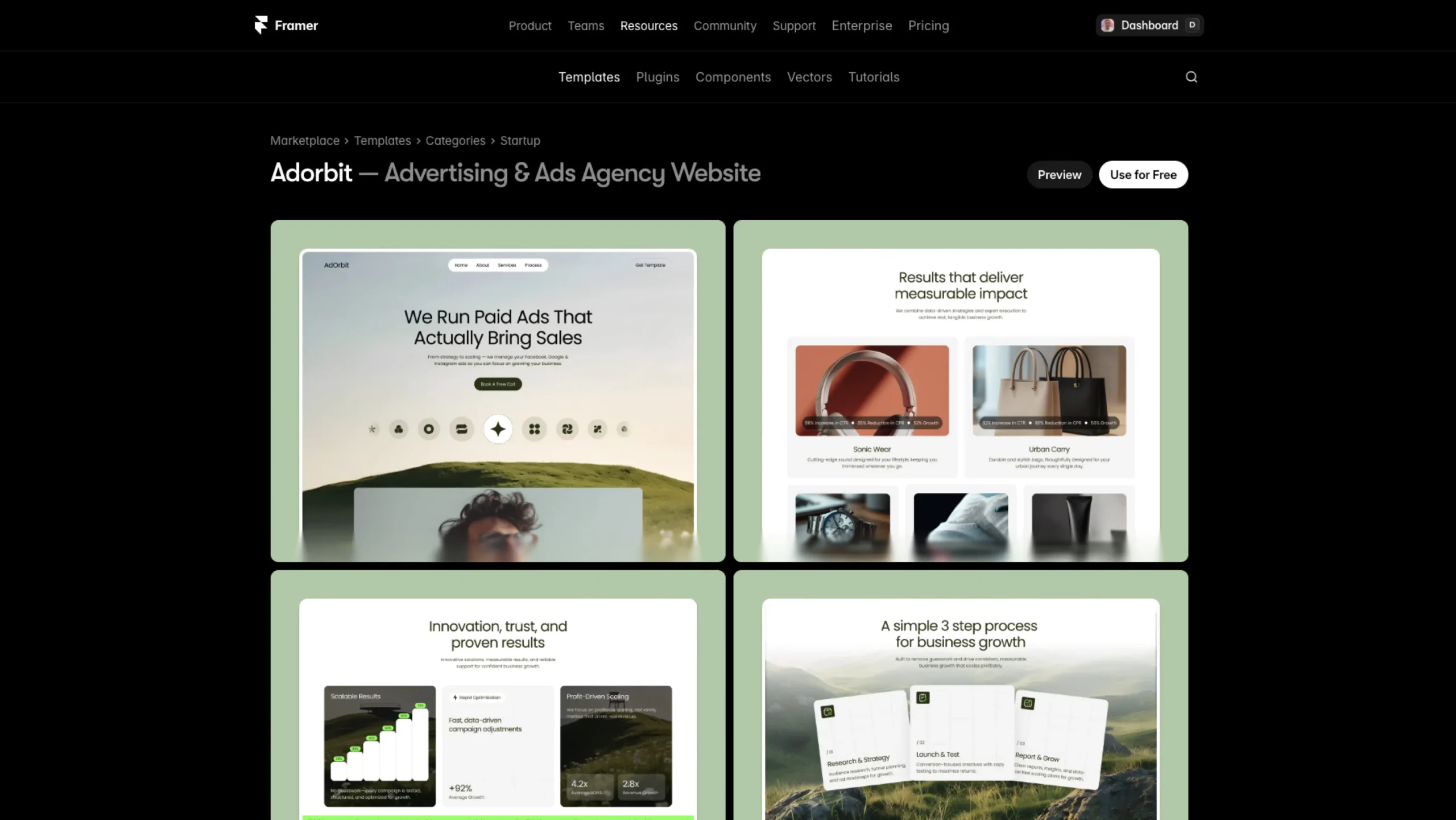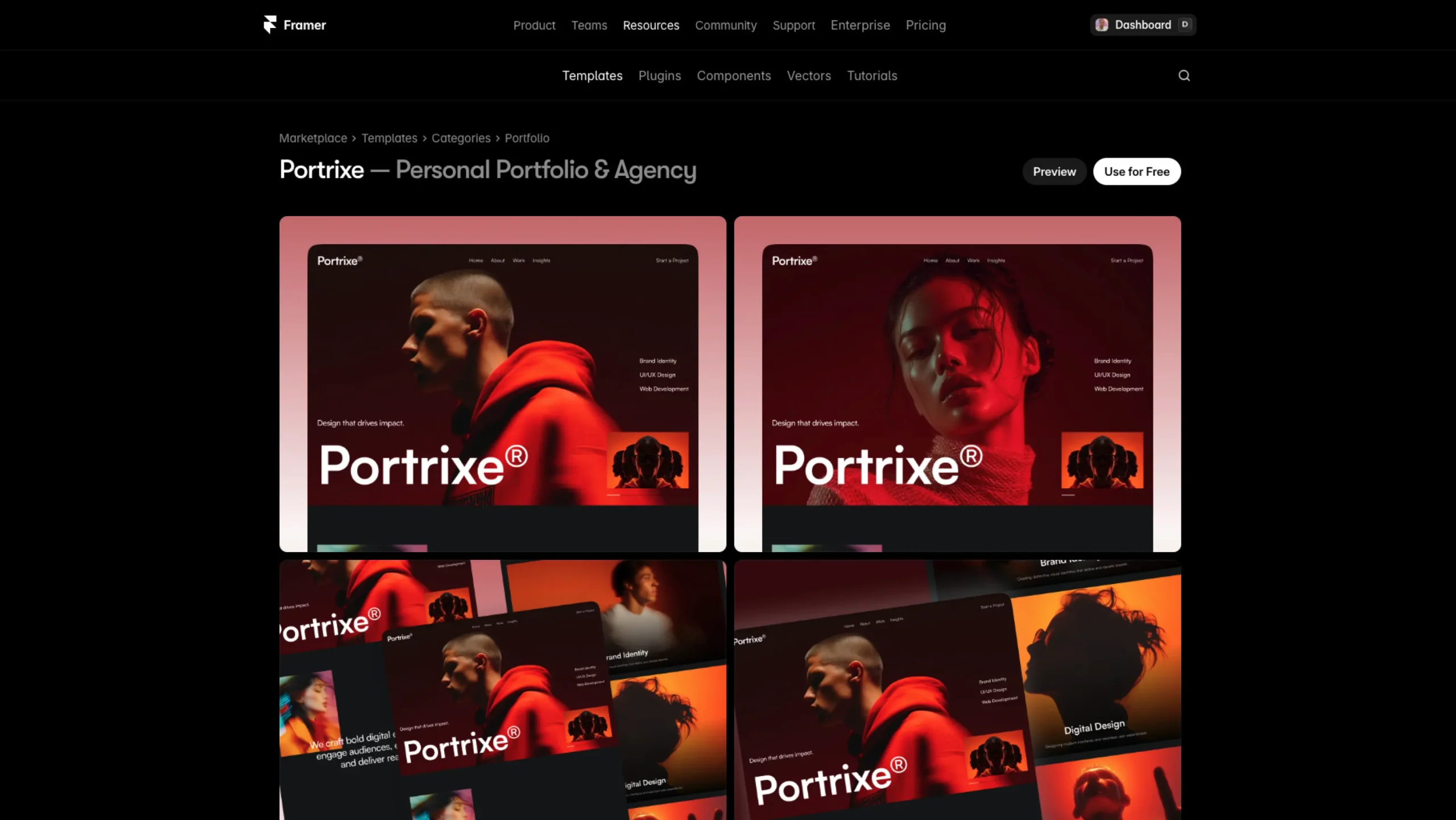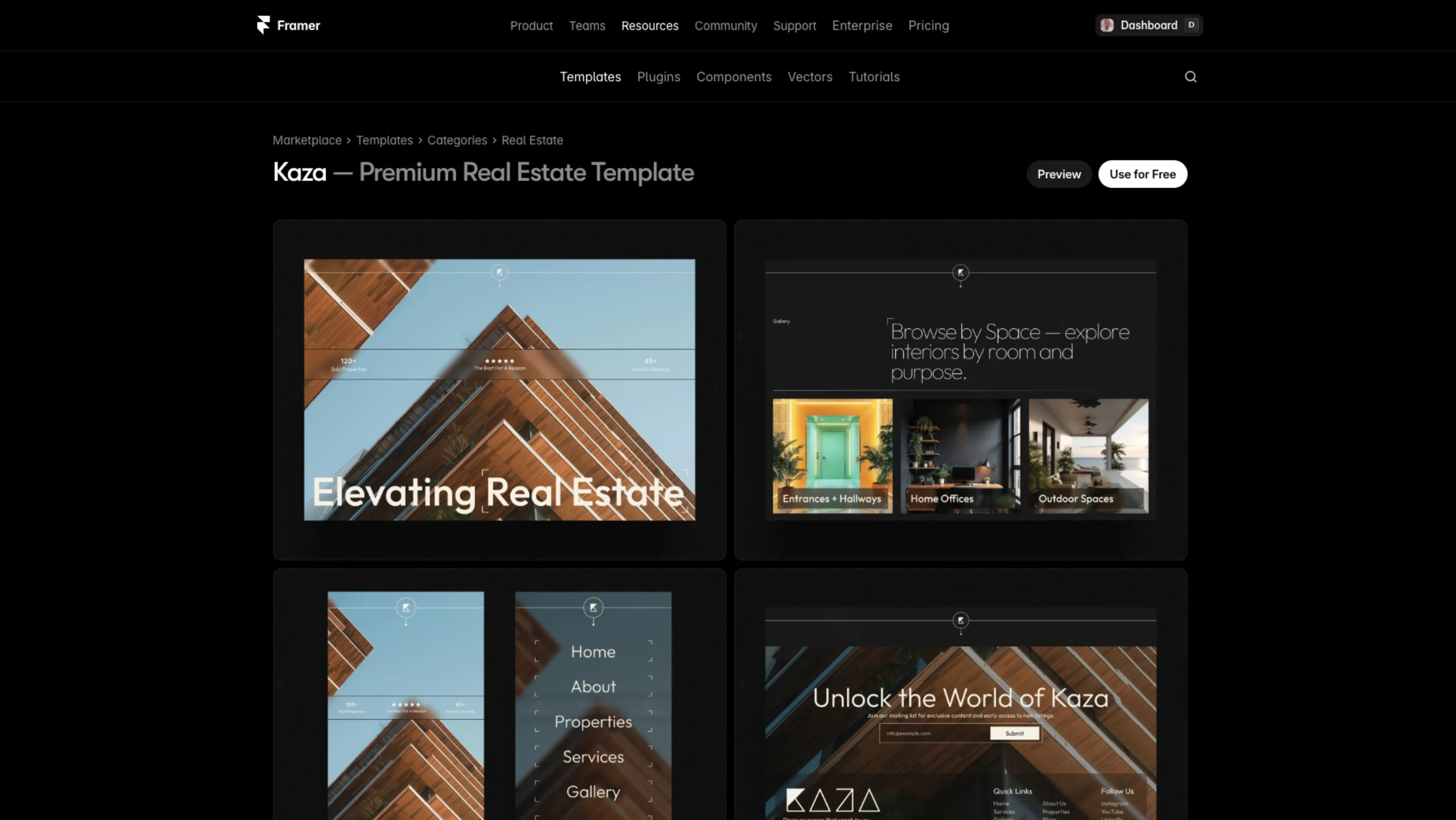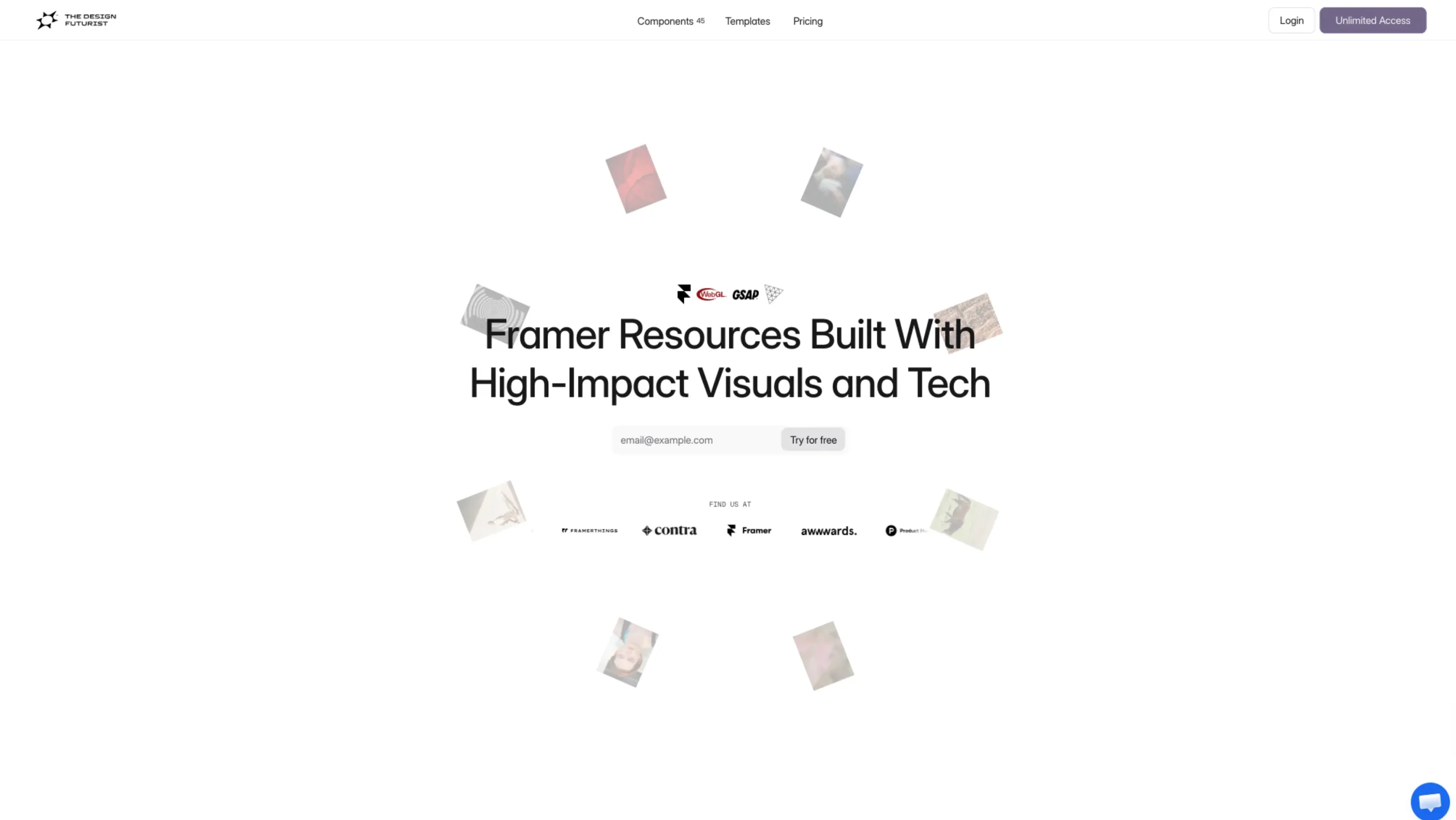
The Design Futurist is a premium resource hub specifically built for the Framer ecosystem. Their mission is to democratize high-end web technologies—like WebGL, GSAP, and Three.js—allowing designers to implement complex, studio-level animations and 3D effects without writing a single line of code.
It functions as both a marketplace and a creative laboratory, providing “copy-paste” components that bring a level of interactive sophistication usually reserved for custom-coded, high-budget award sites.
Core Offerings & Assets
For a UI/UX showcase, the technical value of their assets is the primary highlight:
- Interactive Framer Components: A library of 45+ specialized components, including WebGL particle text, 3D image wheels, morphing text, and animated gradient visualizers.
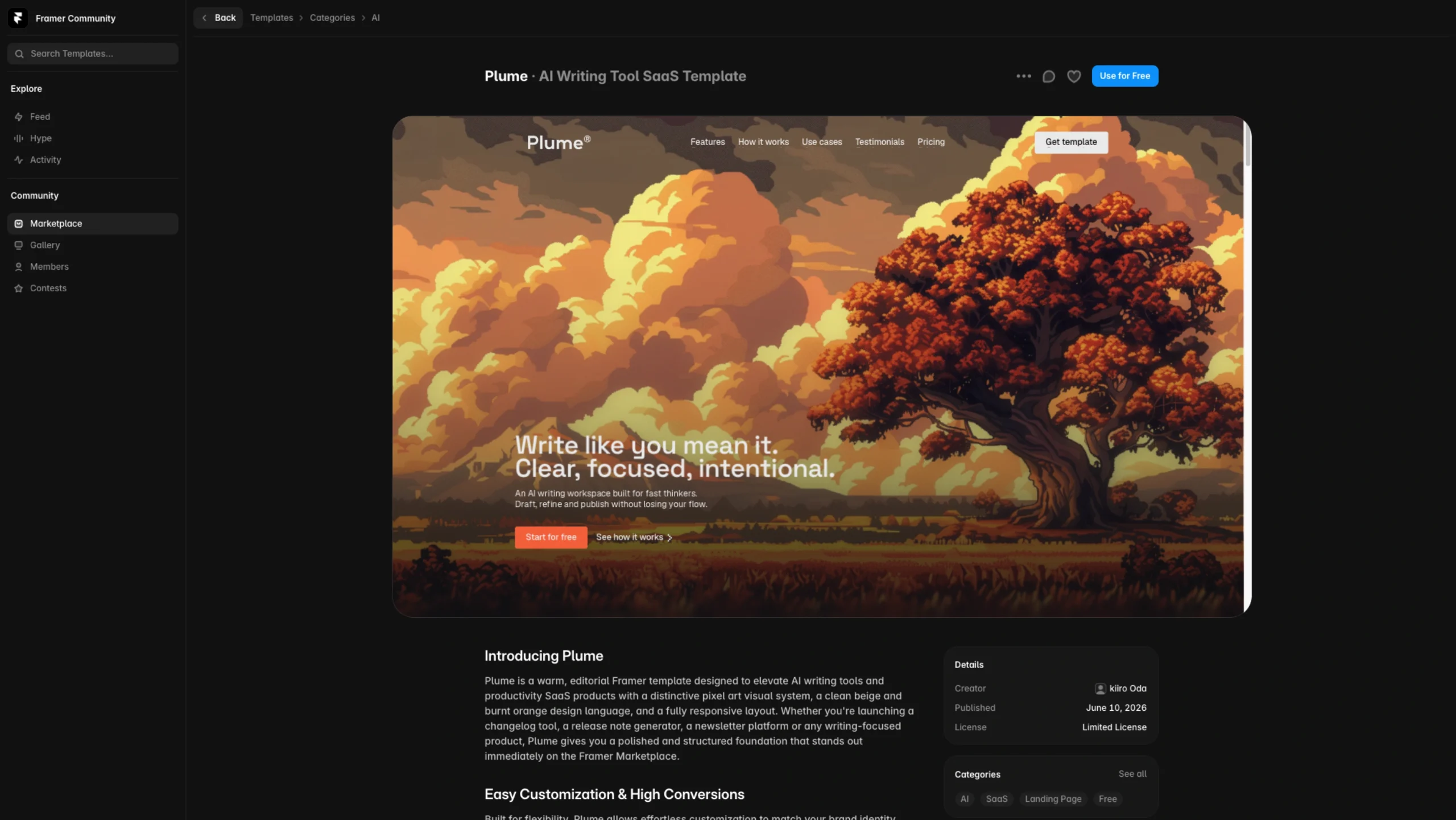
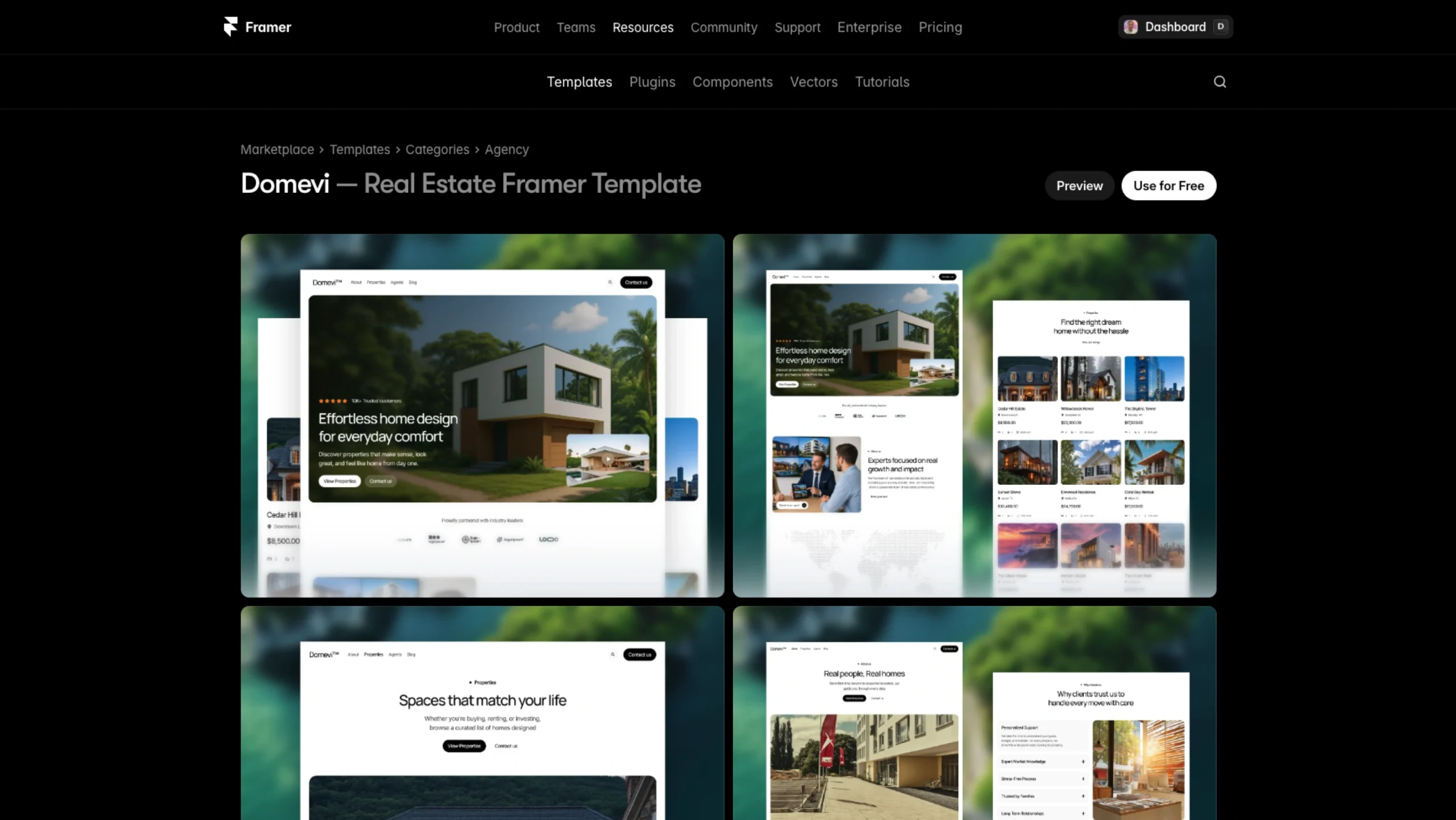
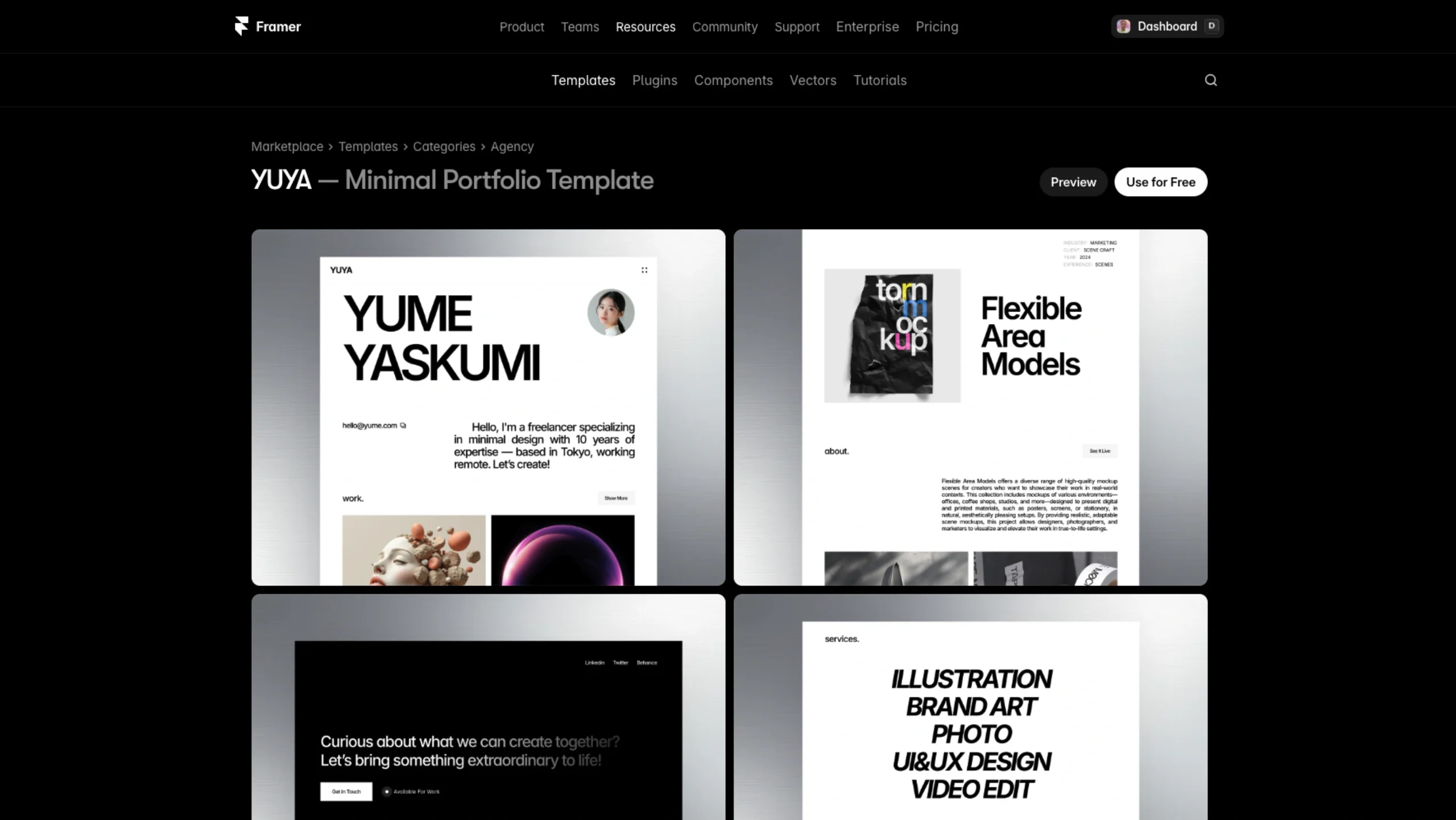
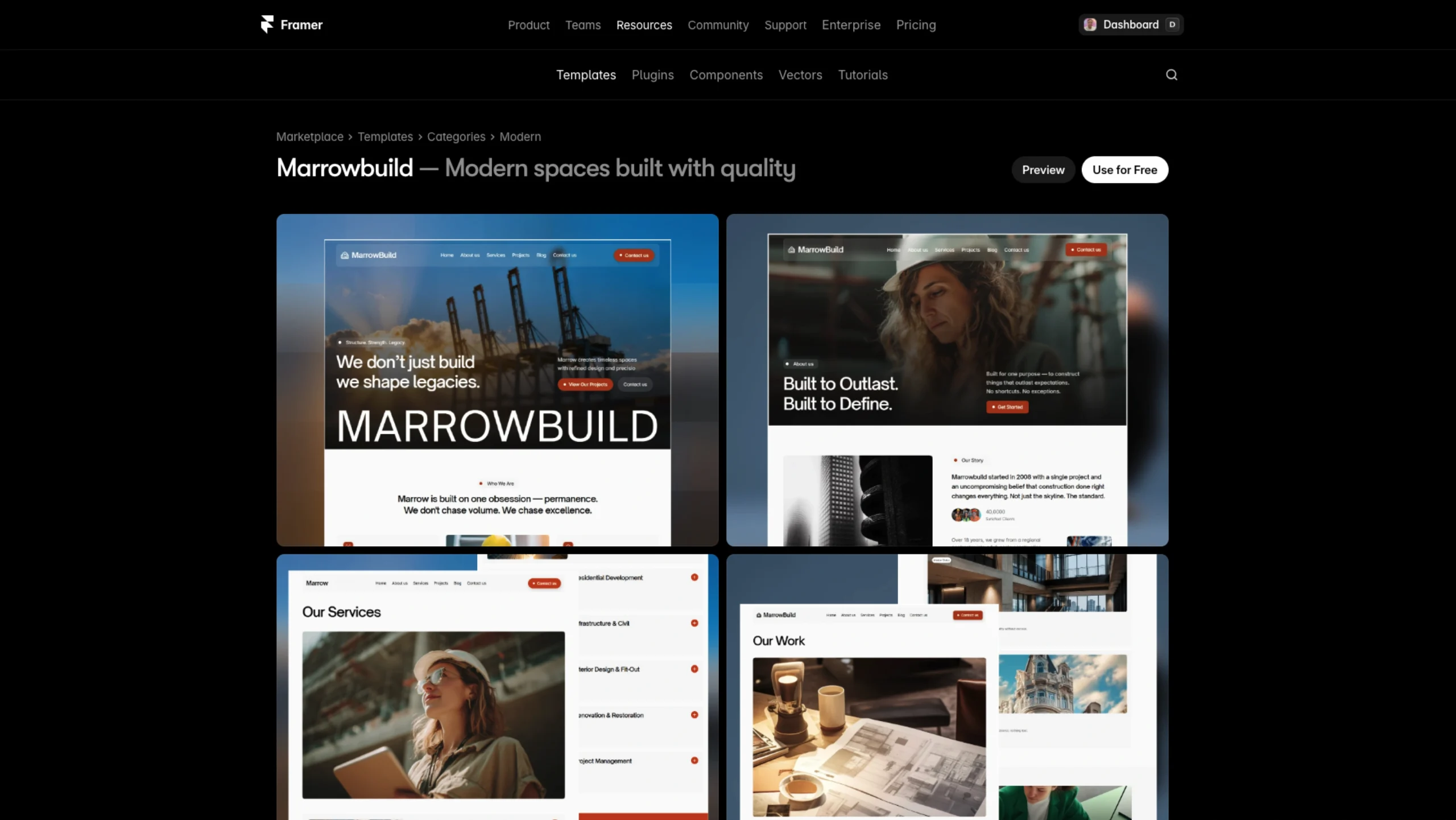
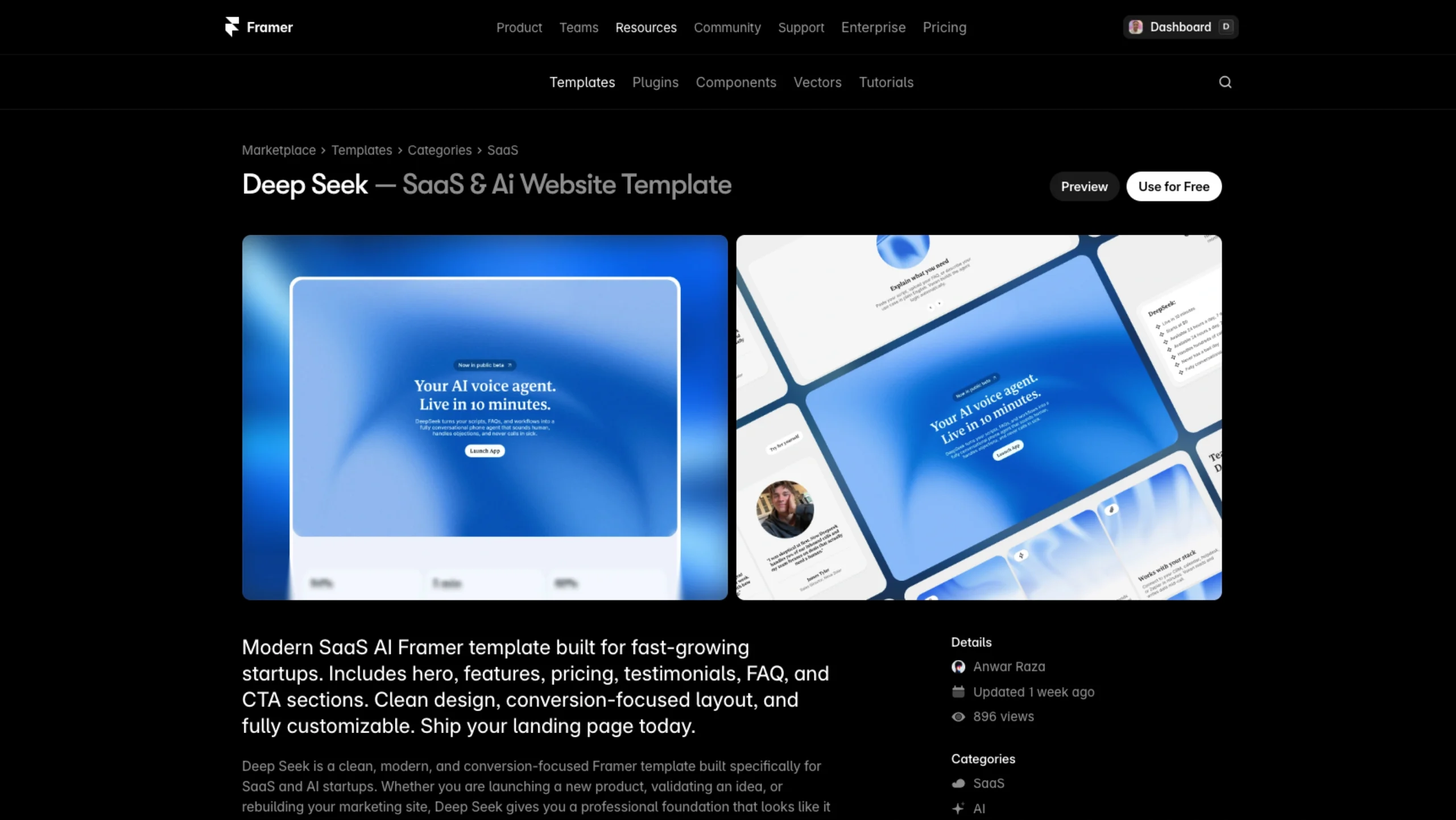
- Premium Templates: Fully responsive, “Minimum Lovable Product” (MLP) templates designed for eCommerce, portfolios, and SaaS, all featuring their signature high-impact motion.
- No-Code WebGL & Three.js: They have effectively “wrapped” complex libraries into Framer-native properties, letting users adjust things like “Particle Density,” “Mouse Radius,” and “Scanline Intensity” via a simple UI panel.
- Educational Content: Beyond the assets, they provide tutorials and deep dives into how AI and spatial computing are shifting the design landscape.
Design Philosophy: “High-Impact Utility”
The Design Futurist’s aesthetic is built on “The 90s-Future”—a blend of retro tech nostalgia and ultra-modern performance.
Native Integration: Every asset is built to run natively inside the Framer editor, ensuring that performance remains high and workflows stay fast.
Visual Moat: They emphasize that in a world of AI-generated layouts, “soulful” and highly interactive details are the new competitive advantage (the “moat”) for brands.