


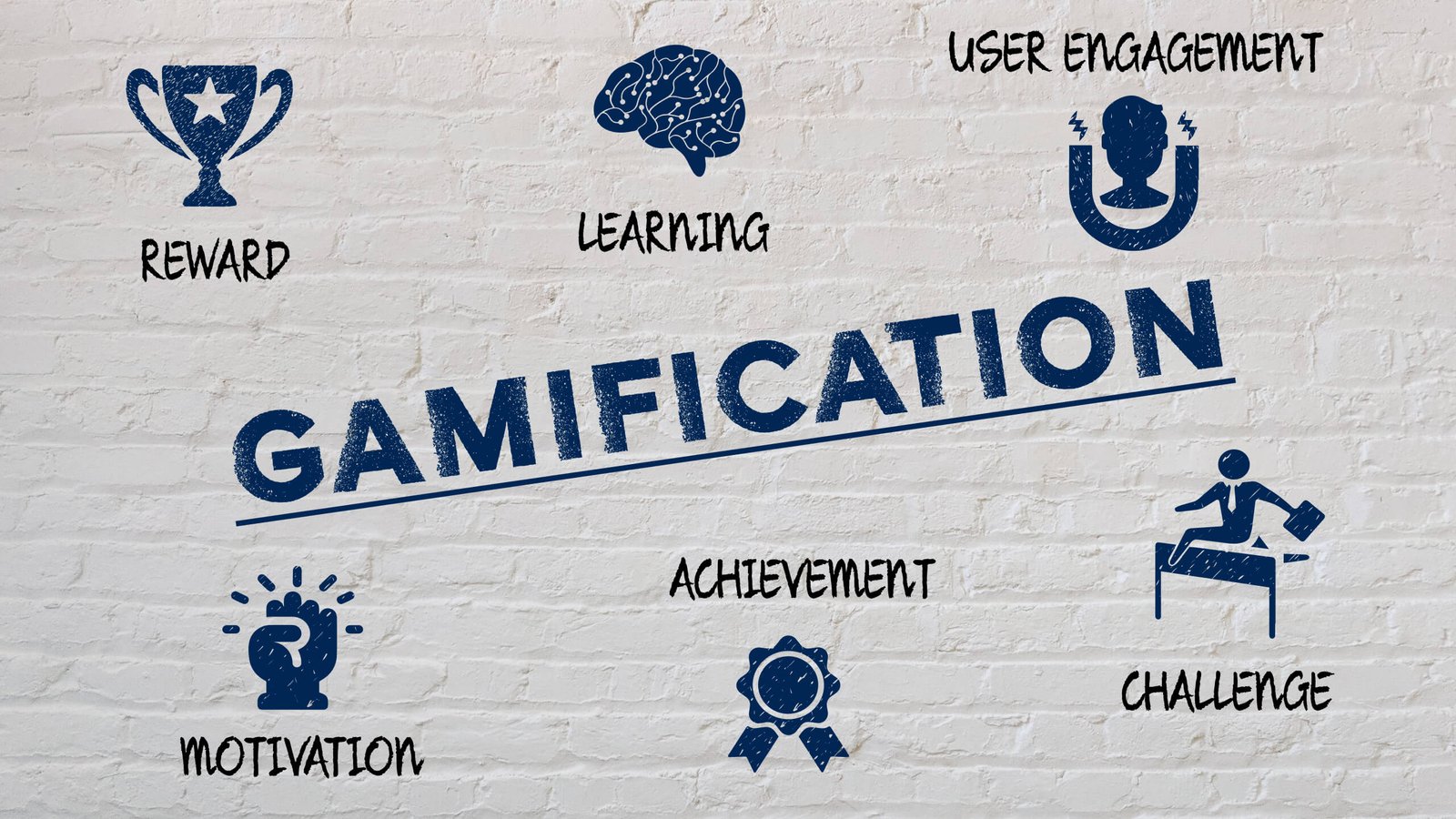
Gamification: What It Is, Why It Works, and How It Influences User Behaviour.
Imagine opening a fitness app.
You complete a workout.
A badge appears.
Your progress bar moves forward.
You earn points.
A streak counter reaches seven consecutive days.
Suddenly, something interesting happens.
You feel good.
You want to come back tomorrow.
The workout itself didn’t change.
The experience around it did.
That’s gamification in action.
It’s one of the most widely used concepts in product design, education, marketing, health technology, employee engagement, and digital experiences. When done thoughtfully, gamification can make ordinary tasks feel more engaging and rewarding.
When done poorly, it can feel manipulative, distracting, or even exhausting.
Let’s explore what gamification really means and why it has become such a common part of modern digital products.
What Is Gamification?
Gamification is the process of applying game-like elements to non-game experiences to encourage participation, motivation, engagement, and desired behaviours.
The goal is not to turn everything into a video game.
That’s a common misconception.
Instead, gamification borrows ideas from games and applies them to activities such as:
- Learning
- Shopping
- Exercising
- Banking
- Employee training
- Productivity
- Customer loyalty programs
Examples of gamification elements include:
- Points
- Badges
- Levels
- Progress bars
- Rewards
- Challenges
- Streaks
- Achievements
- Leaderboards
These elements help create a sense of progress and accomplishment.
Why Did Gamification Become So Popular?
Here’s the thing.
Many tasks people need to do aren’t naturally exciting.
Filing expenses.
Completing training courses.
Tracking daily habits.
Learning a new language.
Updating customer records.
These activities have value.
They don’t always feel engaging.
Designers and product teams started looking at games for inspiration.
Games have a remarkable ability to keep people motivated.
Players willingly spend hours solving problems, completing missions, and pursuing goals.
The question became:
Could some of those motivational techniques work outside gaming?
The answer turned out to be yes.
At least in many situations.
A Simple Everyday Example
Think about collecting stamps on a coffee shop loyalty card.
Buy nine coffees.
Get the tenth one free.
People often become surprisingly motivated to complete the card.
The coffee tastes the same.
The store remains the same.
Yet the visible progress creates momentum.
Gamification works in a similar way.
Small indicators of progress can encourage continued participation.
Humans tend to like finishing what they’ve started.
How Gamification Works
At its core, gamification taps into human motivation.
People generally enjoy:
- Achieving goals
- Making progress
- Receiving recognition
- Solving challenges
- Collecting rewards
- Comparing achievements
- Completing tasks
Gamification introduces structures that make these experiences more visible.
The task itself may remain unchanged.
The perception of the task changes.
That’s where much of the power comes from.
The Psychology Behind Gamification
Gamification isn’t really about points or badges.
Those are tools.
The deeper story involves psychology.
Let’s look at some of the key principles.
Progress Feels Rewarding
People like moving forward.
A progress bar showing 80% completion often feels more motivating than one showing 0%.
Visible progress creates momentum.
It’s similar to hiking a mountain and seeing markers that show how far you’ve come.
The destination matters.
Progress matters too.
Goals Create Focus
Clear goals help people understand what comes next.
Games have objectives.
Effective gamified systems often do as well.
Without goals, users may lose direction.
Without direction, engagement tends to decline.
Rewards Reinforce Behavior
Rewards can encourage repeated actions.
Examples include:
- Points
- Discounts
- Badges
- Virtual items
- Exclusive access
The reward doesn’t always need monetary value.
Recognition alone can be surprisingly powerful.
Achievement Creates Satisfaction
There’s a reason people celebrate completing marathons, earning certifications, or reaching milestones.
Achievement feels meaningful.
Gamification often breaks larger goals into smaller accomplishments.
That structure helps maintain motivation over time.
Social Recognition Matters
People naturally compare experiences.
Leaderboards, rankings, and social sharing features tap into this tendency.
A little friendly competition can encourage participation.
Too much competition can discourage some users.
Balance matters.
Common Gamification Elements
Many gamified systems rely on a familiar set of components.
Let’s explore some of the most common.
Points
Users earn points for completing actions.
Points often act as visible indicators of progress.
Badges
Badges symbolize achievements.
They provide recognition for reaching milestones.
Levels
Levels create a sense of advancement.
Users feel like they’re progressing through stages rather than repeating the same activity.
Progress Bars
One of the simplest and most effective gamification elements.
People like seeing progress visually represented.
Streaks
Streaks reward consistency.
Language learning apps frequently use this technique.
Missing a day often feels surprisingly disappointing.
Challenges
Challenges introduce goals with clear objectives.
Examples include:
- Complete five workouts
- Read ten articles
- Finish a training module
Leaderboards
Leaderboards introduce competition and social comparison.
These work well for some audiences.
Others may find them discouraging.
Context matters.
Gamification in UX Design
Gamification has become a significant part of UX design.
Product teams often use it to encourage specific behaviors.
Examples include:
- Completing onboarding
- Finishing user profiles
- Adopting new features
- Increasing retention
- Encouraging learning
- Supporting healthy habits
The key is connecting game mechanics to meaningful user outcomes.
Good gamification supports user goals.
Poor gamification distracts from them.
Real-World Examples of Gamification
Many popular products use gamification successfully.
Duolingo
One of the most frequently cited examples.
The platform uses:
- Streaks
- XP points
- Levels
- Challenges
- Achievement badges
Language learning becomes more engaging through visible progress.
Fitbit
Fitness tracking becomes more motivating through:
- Step goals
- Achievement badges
- Daily streaks
- Challenges
Profile completion indicators encourage users to add more information.
The progress meter acts as a subtle gamification element.
Starbucks Rewards
Customers earn points for purchases.
Accumulated points can be exchanged for rewards.
A classic loyalty program powered by gamification principles.
Khan Academy
Students earn badges and achievements as they complete lessons and exercises.
Learning feels more rewarding.
Benefits of Gamification
When implemented thoughtfully, gamification can create meaningful advantages.
Increased Engagement
Users often interact with products more frequently.
Better Retention
People are more likely to return when progress and goals are visible.
Improved Learning
Educational platforms often use gamification to encourage completion and repetition.
Stronger Habit Formation
Repeated actions can become part of daily routines.
Greater User Satisfaction
Small achievements can create positive emotional experiences.
The Dark Side of Gamification
Interestingly, gamification isn’t always positive.
Like many design techniques, it can be misused.
Let’s talk about some risks.
Overemphasis on Rewards
Users may focus entirely on rewards instead of the underlying activity.
The points become more important than the purpose.
That’s rarely ideal.
Motivation Can Fade
External rewards sometimes lose effectiveness over time.
What feels exciting initially may become routine later.
Unhealthy Competition
Leaderboards can motivate some users.
Others may feel discouraged if they constantly rank near the bottom.
Manipulative Design
Some products use gamification primarily to increase engagement without delivering meaningful value.
This can blur the line between motivation and manipulation.
Ethical considerations become important here.
Gamification vs Dark Patterns
People occasionally confuse these concepts.
They are very different.
Ethical gamification helps users achieve goals they already value.
Dark patterns pressure users into actions that primarily benefit the business.
The distinction often comes down to transparency and user benefit.
A fitness app encouraging healthy habits differs significantly from a system that uses psychological pressure to increase spending.
Intent matters.
A lot.
Gamification in the Age of AI
Artificial intelligence is creating new opportunities for personalized gamification.
AI systems can:
- Adapt challenges
- Recommend goals
- Personalize rewards
- Identify motivation patterns
- Adjust difficulty levels
This allows experiences to feel more relevant to individual users.
The challenge will be maintaining trust and transparency as these systems become more sophisticated.
Users should understand why experiences are being personalized.
A Common Misconception
Many people believe gamification means adding points and badges.
That’s only a small part of the story.
Great gamification starts with understanding human motivation.
Points are easy to add.
Meaningful engagement is much harder to create.
The most successful systems focus on helping users achieve something valuable.
The game mechanics simply support that process.
Final Thoughts
Gamification is the practice of using game-inspired elements to encourage participation, motivation, and engagement in non-game experiences.
It can help users learn, build habits, complete tasks, and stay motivated through visible progress, rewards, challenges, and achievement systems.
The most effective gamification doesn’t distract from user goals.
It supports them.
It makes progress visible.
It celebrates achievement.
It helps people stay engaged with activities that matter.
And when designed thoughtfully, it can turn ordinary experiences into something people genuinely enjoy returning to.
That’s a powerful idea.
And it’s one reason gamification continues to play an important role in UX design, product development, education, and digital experiences.
Frequently Asked Questions (FAQs)
What is gamification?
Gamification is the use of game-like elements such as points, badges, levels, rewards, and progress tracking within non-game experiences to encourage engagement and participation.
Why is gamification used in UX design?
UX designers use gamification to motivate users, encourage desired behaviors, increase engagement, improve retention, and make experiences feel more rewarding.
What are common examples of gamification?
Common examples include loyalty programs, progress bars, achievement badges, learning streaks, challenges, rewards systems, and leaderboards.
What is the difference between gamification and a game?
A game is built primarily for entertainment or competition. Gamification applies selected game mechanics to activities that are not games, such as learning, shopping, fitness, or productivity.
Can gamification improve user engagement?
Yes. When aligned with user goals, gamification can encourage participation, increase retention, support habit formation, and create stronger emotional connections with a product.
What are the risks of gamification?
Potential risks include overreliance on rewards, unhealthy competition, declining motivation over time, and manipulative implementations that prioritize engagement metrics over user well-being.